Updated for 2026 · Tokyo · Hakone · Kyoto · Nara · Osaka · 16 days
16-Day Luxury Family Vacation in Japan: Itinerary, Hotels & Tips
Ryokan + luxury hotels
Bullet train included
Insider tips for families
Japan has changed significantly since this post was first written. The good news: the weak yen means Western travelers are getting 25–30% more value than just a few years ago — Japan is genuinely more affordable in dollar or euro terms than it’s been in a decade. The less good news: hotel rates have risen due to record tourism demand, and some attractions now have separate (higher) pricing for international visitors. All prices in this article are approximate 2026 figures in USD, based on an exchange rate of roughly ¥150 = $1. Always verify current rates before booking — they can and do change.
Japan was the trip we’d been saving for. We’d heard it from every family who’d been: the moment you arrive, you understand. The trains run to the second. The food is extraordinary at every price point. The people are genuinely kind to children. And nothing — nothing — prepares you for how beautiful it all is. We went once, with our kids, and came back planning the next visit before the first was over.
This 16-day itinerary takes families from the glittering madness of Tokyo to the mountain serenity of Hakone, the ancient grandeur of Kyoto, the deer-filled parks of Nara, and finally Osaka — Japan’s food capital and the perfect send-off before flying home from Kansai Airport. It balances genuine luxury — the kind of ryokan experience that will stay with your children for life — with the flexibility and practicality that traveling with kids actually requires. Two of those days are intentionally slow: one at the beginning to recover from the flight, one at the end as a buffer before departure. Japan rewards unhurried families.
In this guide
- Before you go — essentials for Japan with kids
- Days 1–2: Arrival & jet lag recovery (Tokyo)
- Days 3–6: Tokyo — the full experience
- Days 7–10: Hakone
- Days 11–14: Kyoto
- Day 15: Nara day trip
- Day 16: Osaka — and flying home from Kansai
- What does it actually cost? + how to save
- Getting around: flights, trains & logistics
Before You Go — Essentials for Japan with Kids Updated 2026
- Book hotels early — very early. Japan’s popularity has surged to record levels. Luxury ryokan in Hakone and Kyoto fill months in advance, especially during cherry blossom season (late March–April) and autumn leaves (November). If there’s a specific hotel on your list, book it first and build your itinerary around it.
- Get a Suica card before you do anything else. This rechargeable IC card works on every train, subway, and bus in Japan, and at most convenience stores. iPhone users can set it up in Apple Wallet before leaving home. It is the single most useful item for navigating Japan with kids — no fumbling for change or tickets.
- JR Pass — calculate before you buy. The 14-day JR Pass now costs ¥70,000 (~$467) following a significant price increase. For a Tokyo–Hakone–Kyoto–Nara itinerary, calculate your shinkansen costs individually first. For families of 4+, individual tickets may be cheaper — or barely more expensive with much more flexibility.
- Get a pocket WiFi or eSIM. Japan’s public WiFi is unreliable. An eSIM (via Airalo or similar, around $15–25 for 2 weeks) is the easiest solution. You will need Google Maps, Google Translate, and a navigation app constantly. Do not rely on hotel WiFi alone.
- Cash still matters. Japan is moving toward card acceptance, but many local restaurants, temples, and small shops are still cash-only. ATMs at 7-Eleven, FamilyMart, and Japan Post accept international cards. Withdraw ¥30,000–50,000 at a time to minimize fees.
- Carry a translation app. Google Translate’s camera mode — point your phone at a Japanese menu and it translates in real time — is genuinely magical with children. It makes every meal an adventure rather than an ordeal.
- New 2026 tourist taxes. Japan’s departure tax has increased to ¥3,000 (~$20) per person — this is added automatically to your outbound flight ticket. Some major attractions now have higher pricing for international visitors than for Japanese residents. Factor this into your budget.
Days 1–2
Arrival & Jet Lag Recovery — Tokyo
Land in Tokyo Narita or Haneda (Haneda is closer to the city — worth the extra search when booking flights) and do as little as possible. Japan rewards families who arrive slowly. The flight from Europe is 11–12 hours; from the US East Coast, 14+ hours. The time difference from Europe is 6–8 hours; from the US East Coast, 13–14. With children, jet lag is not theoretical — it is a full day of grumpiness and 3am wakefulness, and it will affect the quality of everything that follows if you don’t give it space.
Day 1 is for the hotel, the nearest konbini (convenience store — your children will have their minds blown), and perhaps a slow walk around the neighborhood. Day 2 is for adjusting — a gentle morning, maybe the nearest park, an early dinner, and a proper attempt at sleeping on Japanese time. Everything else begins on Day 3.
Get outside in natural daylight as early as possible on Day 1, even for an hour. Avoid long naps. Keep mealtimes on Japan time from the moment you land. Children adapt faster than adults — by Day 3 most kids are fully adjusted. Parents take longer. Budget accordingly.
Days 3–6
Tokyo
Land in Tokyo and give yourself half a day to do nothing. Jet lag with children is real, and Japan rewards the families who arrive slowly. The first afternoon is for the hotel, the convenience store (your children will have their minds blown by the quality and variety of a Japanese 7-Eleven), and perhaps a walk around the neighborhood. Everything else can wait until tomorrow.
What to do in Tokyo with kids
Tokyo can feel overwhelming — 220+ Michelin-starred restaurants, world-famous neighborhoods, museums for every possible interest. The key is not to try to see everything. Pick three or four things that match your family’s actual interests and do those well.
Akihabara is essential for almost every family — whether your kids are into gaming, anime, electronics, or simply the spectacle of a city block lined floor-to-ceiling with gadgets and pop culture. For younger children, the Ueno neighborhood has the Tokyo National Zoo (pandas!), the National Science Museum with hands-on exhibits, and the beautiful Ueno Park. Don’t miss Harajuku — Takeshita Street in particular is a riot of color, fashion, and snacks that children find completely captivating.
For food, the Tsukiji Outer Market (the inner market has relocated, but the outer stalls remain) is one of the great breakfast experiences in the world — fresh sushi and tuna at 8am, surrounded by the chaotic energy of Tokyo’s food trade. For a more relaxed introduction to Japanese food culture, find a conveyor-belt sushi restaurant: they’re fun for all ages, the food is excellent, and the novelty of the delivery system does half the parenting work for you.
Tokyo is extraordinarily safe and easy to navigate with children. Pushchairs and strollers are completely normal. Most train stations have lifts. The city is immaculately clean. The one challenge is the sheer scale — plan geographically so you’re not crossing the city repeatedly. Choose accommodation near your planned activities and use the subway rather than taxis, which are expensive.
Where to stay in Tokyo
Hoshinoya Tokyo
Urban Ryokan · Otemachi district
The most elegant solution to the “luxury ryokan in central Tokyo” challenge: a 17-story tower of tatami rooms, futon beds, and a rooftop hot spring bath (onsen), 11 minutes’ walk from Tokyo Station. The communal hot spring baths and spa give parents a chance to genuinely decompress after busy sightseeing days, while the tatami rooms give children the novelty of sleeping on futons. Concierge service is exceptional for families needing guidance.
From approx. $450–650/night for a family room (2026, subject to change). Book directly or via Booking.com for best rates.
Mandarin Oriental Tokyo
5-Star Hotel · Nihonbashi district
Occupying the upper floors of a Cesar Pelli-designed tower in the upscale Nihonbashi district, this remains one of Tokyo’s most spectacular hotels. The views extend to Mount Fuji on clear days — a sight that impresses children and adults equally. Multiple Michelin-starred restaurants on site, a world-class spa, and attentive babysitting service make it ideal for parents who want an occasional child-free evening. Family rooms and connecting suites are available.
From approx. $600–900/night for family accommodation (2026, subject to change).
Book Tokyo hotels: Booking.com has the widest selection of family-friendly Tokyo accommodation with free cancellation options. For ryokan specifically, Rakuten Travel is worth checking alongside Booking.com.
→ [הכנס כאן Booking.com affiliate link לחיפוש מלונות טוקיו]
7-Eleven, FamilyMart, and Lawson in Japan are nothing like their Western equivalents. Fresh onigiri (rice balls) made that morning, hot soups, perfectly assembled sandwiches, quality sushi, hot ramen, steamed buns — all prepared daily, at a quality that genuinely rivals casual restaurants, for ¥400–700 (~$3–5) per item. For families, this is transformative: breakfast and lunch from the konbini, restaurant dinner. You eat extraordinarily well, the kids love the novelty of choosing, and you save hundreds of dollars over two weeks. Our children still talk about the egg salad sandwiches.
Days 7–10
Hakone
The bullet train from Tokyo to Odawara takes approximately 35 minutes — itself a highlight for children who will want to be near the window for the moment Mount Fuji appears on the horizon. From Odawara, a local train or taxi completes the journey to Hakone. This is where the trip shifts gear entirely: from the electric pace of Tokyo to mountain air, hot spring baths, and one of the most genuinely restorative experiences in all of travel.
What to do in Hakone with kids
The Owakudani Ropeway is unmissable — a cable car ride over active volcanic vents where you can buy black eggs boiled in the sulfurous spring water (legend holds that eating one adds seven years to your life). Kids find the bubbling, steaming landscape either fascinating or mildly terrifying, sometimes both simultaneously. The Hakone Open Air Museum, opened in 1969 as Japan’s first outdoor sculpture park, has a Henry Moore and a Picasso pavilion, a foot spa you can use mid-visit, and a Picasso exhibition that is genuinely impressive even to art-averse children. Take a boat across Lake Ashi for iconic views of Mount Fuji reflected in the water — on clear days, this is one of the most beautiful scenes in Japan.
The Hakone Freepass (¥6,000 adults, ¥1,500 children from Shinjuku) covers unlimited rides on the Hakone Tozan Railway, ropeway, cable car, and Lake Ashi ferry. For a 2–3 day stay where you’re actively sightseeing, it usually saves money. Buy it at Shinjuku Station before you travel.
Where to stay in Hakone — the ryokan experience
Hakone is the best place in Japan to experience a traditional ryokan with children. Most ryokan here include dinner and breakfast — elaborate kaiseki meals served in your room or a private dining space — and access to natural hot spring baths. The ritual of changing into a yukata (a light cotton kimono provided by the inn), padding through the corridors to the onsen, and returning to find your futon laid out for the evening is one of those experiences that genuinely cannot be replicated anywhere else.
Hakone Kowakien Tenyu
Luxury Ryokan · Hakone
One of the best family-friendly ryokan in the Hakone area, with rooms sleeping up to 6 people and a uniquely spectacular onsen setup: a rooftop infinity-style open-air bath with mountain views, and a second open-air bath looking into the forest and waterfall. Uniquely among local ryokan, it permits a special swimsuit option — useful for self-conscious tweens and teens. Rates include dinner and breakfast buffet. Children’s yukata and amenities provided.
From approx. $300–500/person/night including dinner and breakfast (2026, subject to change). Multi-person rooms offer better per-person value.
Hyatt Regency Hakone Resort & Spa
Luxury Resort Hotel · Hakone
For families preferring Western-style beds alongside Japanese hot spring culture, the Hyatt Regency offers an excellent middle ground: proper hotel rooms with all the familiar luxury comforts, plus an exceptional onsen facility, stunning mountain views, and the full resort experience. Multiple restaurants, a spa, and attentive family service. A good choice if you have younger children or family members who aren’t ready for full ryokan immersion.
From approx. $350–550/night for family rooms (2026, subject to change).
Japanese hot spring baths (onsen) require full nudity — swimsuits are not permitted in traditional public baths. Children generally find this completely normal and unremarkable; it’s the parents who tend to need a moment. Most ryokan have private family baths (kashikiri) that can be reserved by the hour for families who prefer privacy. This is the recommended option for families with young children or those new to onsen culture. Children in diapers are typically not permitted in communal baths, but private baths are usually fine — confirm with your ryokan in advance.
Days 11–14
Kyoto
The shinkansen from Odawara to Kyoto takes approximately 2 hours — time enough for the children to sleep, play, or simply watch Japan’s countryside blur past the window at 300 kilometers per hour. Arriving in Kyoto is like stepping into a different world: quieter, more ancient, the modern city coexisting with 1,600 temples and shrines and a culture that has been carefully preserved for centuries.
Five days is the right amount of time here. You can see the unmissable sights without rushing, take a half-day to wander without purpose, and do the thing Kyoto rewards most: slowing down.
What to do in Kyoto with kids
The Fushimi Inari Shrine — the one with thousands of vermilion torii gates winding up the mountain — is the best possible introduction to Kyoto, and to shrine culture in Japan. You don’t need to hike to the top (it takes 2–3 hours return); even the lower sections of the trail, with their tunnel of gates disappearing into the forest, are completely otherworldly. Go at dawn if at all possible — the light and the crowds are both dramatically better.
The Arashiyama Bamboo Grove is brief but extraordinary — a narrow path through towering bamboo that blocks out the sky entirely. Combine it with the nearby Tenryu-ji Temple and its garden, and a walk along the river. The Nijo Castle samurai headquarters has “nightingale floors” — wooden corridors designed to squeak with every step, alerting inhabitants to intruders — that children find fascinating and adults find slightly unnerving. The Ryoanji Rock Garden requires a different kind of attention: fifteen stones arranged in raked gravel, the composition of which has been discussed and debated for five centuries. Some children find this profound. Others find it baffling. Both reactions are valid.
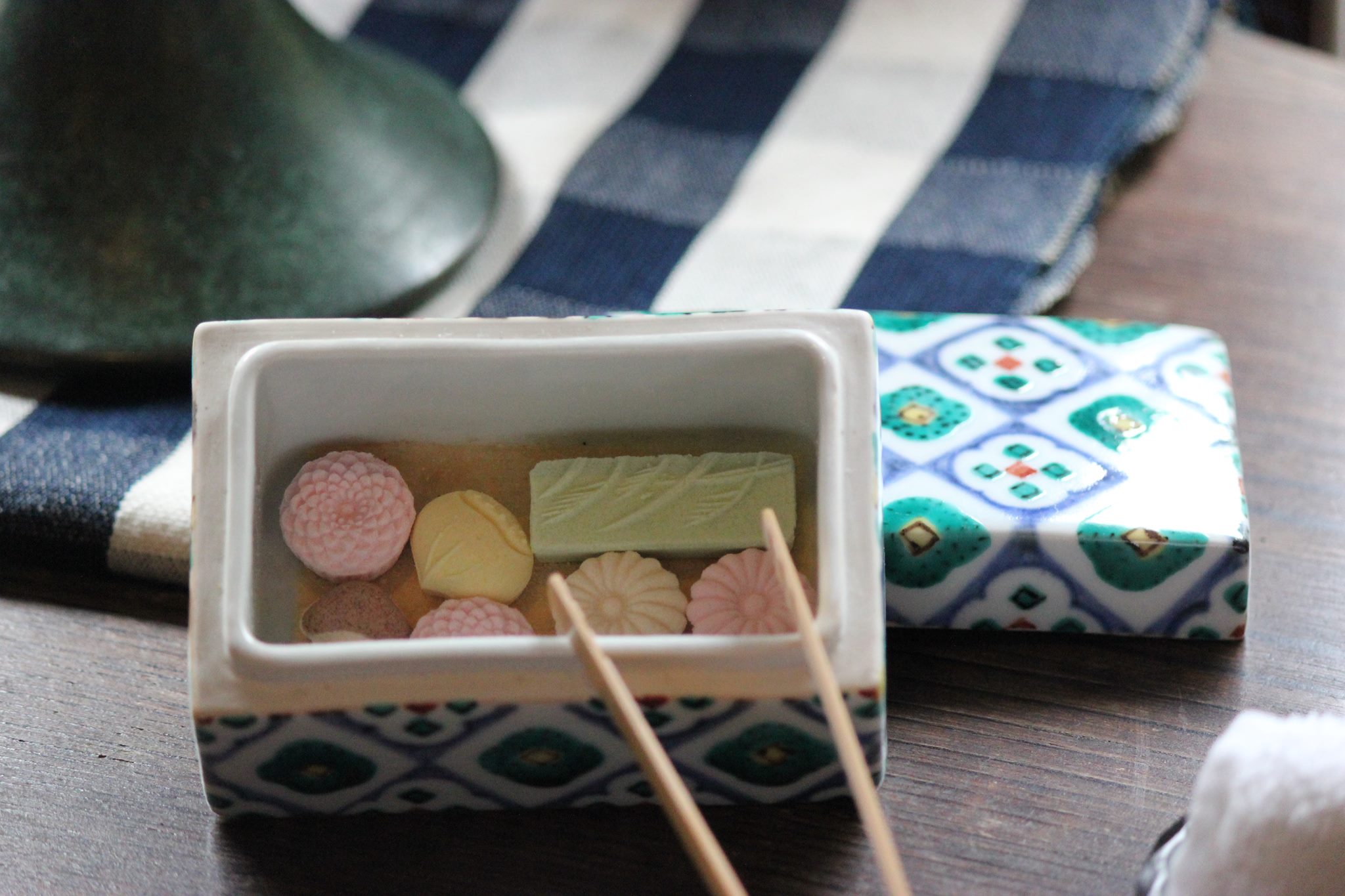
For families who are anywhere near Japan in spring, the tea ceremony experience in Kyoto is not to be missed. The ritual of matcha green tea preparation has its roots here, and there are several places that welcome families with children. The serenity of the ceremony is calming even for active children — and the promise of wagashi (beautiful rice flour sweets) at the end is an excellent incentive for good behavior.
Where to stay in Kyoto
Four Seasons Kyoto
5-Star Hotel · Central Kyoto
Set around an 800-year-old garden pond in central Kyoto, the Four Seasons is one of the finest hotels in Japan. The landscaped gardens provide genuine space for children to explore and decompose after temple-heavy days. Central location makes walking to many UNESCO sites possible. On-site fine dining of exceptional quality. Family suites are spacious by Japanese standards. The concierge is exceptional at organizing private guides, tea ceremonies, and family experiences.
From approx. $700–1,100/night for family accommodation (2026, subject to change). Worth monitoring for promotions.
Arashiyama Benkei
Luxury Ryokan · Arashiyama district
Overlooking the Katsura River in Kyoto’s most beautiful district, Arashiyama Benkei offers traditional tatami rooms sleeping up to 5 — genuinely practical for families. Some rooms have open-air baths. The communal onsen and multi-course kaiseki dinner served in-room are highlights. Staying in Arashiyama rather than central Kyoto means waking up to the bamboo grove and river rather than the city — a completely different, and deeply Japanese, experience.
From approx. $350–600/person/night including dinner and breakfast (2026, subject to change).
Book Kyoto accommodation: Kyoto hotels — especially ryokan — sell out extremely quickly during peak seasons. Book as early as possible. Booking.com and Rakuten Travel both have good selections.
→ [הכנס כאן Booking.com affiliate link לחיפוש מלונות קיוטו]
The shinkansen is one of the great experiences of Japan travel, and children are usually obsessed with it. The reality: it is extremely fast (300 km/h), extremely punctual, and extremely comfortable. It is also occasionally confusing for first-time visitors. Book your seats in advance — do not just rock up with children and luggage hoping for unreserved seats. If you’re carrying large bags, send them ahead via takkyubin (luggage delivery service) — most hotels can arrange this. Arriving at the right platform at a large station like Tokyo or Osaka requires attention: platform numbers and carriage positions are marked on the platform floor. Follow the marks and you’ll be fine.
Day 15
Nara — Day Trip from Kyoto
Nara is 50 minutes from Kyoto by express train and makes a perfect penultimate day. The ancient capital is home to Nara Park — a vast, beautiful expanse where over 1,000 deer roam completely freely among temples, shrines, and visitors. The deer are considered sacred messengers of the gods. They have also learned that tourists carry shika senbei (deer crackers, available everywhere for ¥200 a bundle), and they are not shy about making this known.
The deer are genuinely wild animals — they will headbutt, bite (gently but firmly), and steal food if given the opportunity. Hold crackers high, distribute them quickly, and keep bags closed. The Great Buddha (Daibutsu) at Tōdai-ji Temple is extraordinary — at 15 meters tall, it is the world’s largest bronze Buddha, and even children who are not particularly interested in temples tend to be impressed. Entrance ¥600 for adults, free for children under 12. Return to Kyoto that evening for your last night.
Day 16
Osaka — and Flying Home from Kansai
The smartest way to end this itinerary is not to return to Tokyo. Fly out from Kansai International Airport (KIX) — just one hour from Kyoto by express train, and well served by European and Asian carriers. This saves your family a 2.5-hour shinkansen journey back to Tokyo, an expensive extra night in the city, and a significant amount of end-of-trip exhaustion.
Check out of your Kyoto hotel on Day 16, take the train to Osaka (just 15 minutes from Kyoto), deposit your luggage at your hotel or in station coin lockers, and spend half a day in Japan’s most enthusiastically food-focused city. Osaka’s Dotonbori district — the canal-side strip with its giant moving crab signs and wall-to-wall street food — is one of the most visually spectacular places in Japan and a completely joyful experience with children. Try takoyaki (octopus balls, Osaka’s signature snack), kushikatsu (deep-fried skewers), and soft-serve ice cream from one of approximately fifty competing vendors.
Kansai International Airport is built on an artificial island and has excellent facilities. The Haruka express train from Osaka city center takes 75 minutes; from Kyoto directly, about 80 minutes. Allow at least 3 hours before departure with children — international security and the walk to gates takes time. Many families flying back to Europe will take an overnight flight, which actually helps with jet lag on the return journey.
Book an “open-jaw” ticket: fly into Tokyo Narita or Haneda, and fly home from Osaka Kansai. Most major airlines offer this routing at little or no extra cost compared to a return flight. It eliminates backtracking, saves a full day of transit, and lets you end the trip in Osaka rather than spending your last evening in an airport hotel in Tokyo. Search for “open jaw flights Japan” on Google Flights or Skyscanner — the option to set different arrival and departure cities is usually in the advanced search settings.
What Does This Trip Actually Cost? + How to Save
All figures are approximate USD per person for a family of 4, based on ¥150 = $1. Prices are 2026 estimates and will vary. Always verify before booking.
| Category | Budget option | This itinerary (luxury) | Notes |
|---|---|---|---|
| Flights (return, per person) | $600–900 | $900–1,400 | Open-jaw (in Tokyo, out Osaka) saves money & time |
| Hotels (per night, family room) | $120–200 | $400–900 | Ryokan rates include dinner + breakfast (2 meals) |
| Food (per person/day) | $20–30 | $50–100 | Ryokan nights = meals included; konbini lunches help |
| Transport (in-country, per person) | $150–200 | $200–350 | Calculate JR Pass vs. individual tickets (see logistics) |
| Attractions & activities (per person) | $50–100 | $150–300 | Many temples free or under $5; Disney adds significant cost |
| Luggage delivery, tips, extras | $50 | $100–200 | Takkyubin luggage delivery strongly recommended |
Rough total for a family of 4 for 16 days:
Budget version: ~$8,000–11,000 | This itinerary (luxury): ~$18,000–28,000 | Note: the weak yen means these figures are 25–30% lower than they would have been 4–5 years ago.
How to cut costs without ruining the trip:
- Skip one destination. Removing Hakone (and going directly Tokyo → Kyoto) saves 3–4 nights of ryokan accommodation — the single biggest expense. You lose the mountain + hot spring experience, but the rest of the itinerary remains intact. Alternatively, shorten Tokyo to 3 days instead of 4.
- Mix ryokan with business hotels. One or two ryokan nights rather than four in Hakone cuts accommodation costs significantly while still giving your family the tatami-and-onsen experience. Tokyo and Osaka lend themselves well to comfortable business hotels at $150–250/night.
- Eat strategically. Japan’s food value is extraordinary at every level. Konbini breakfast and lunch (¥400–700 per person) plus one proper restaurant dinner per day is a genuinely satisfying rhythm that costs a fraction of eating out every meal. The food quality at 7-Eleven Japan is not a compromise — it is genuinely excellent.
- Skip Tokyo Disney. A full day at DisneySea costs approximately $80–100 per person in tickets alone, plus food and transport. Beautiful, but optional — and removing it frees both a day and significant budget for experiences that are uniquely Japanese.
- Travel in shoulder season. Late May, early June, or September offer comfortable weather, dramatically thinner crowds, and hotel rates 20–40% lower than cherry blossom or autumn peak. For families flexible on timing, this is the single most effective cost-saving strategy.
- Book flights early and use open-jaw routing. Flying into Tokyo and out of Osaka often costs the same as or slightly less than a return to Tokyo, and saves an entire day of internal travel. Book 4–6 months ahead for the best prices on long-haul routes.
Getting Around — Flights, Trains & Logistics Updated 2026
- Flying in: Tokyo Haneda vs. Narita. Haneda Airport is 30–40 minutes from central Tokyo by monorail or express train. Narita is 60–90 minutes. Both are well served by international carriers. Haneda is more convenient and worth prioritizing when flight prices are comparable.
- Flying out: Kansai International Airport (Osaka). One hour from central Osaka, 80 minutes from Kyoto directly by Haruka express. Far more convenient than returning to Tokyo for departure. Search “open-jaw Japan” on Google Flights — fly in through Tokyo, out through Osaka.
- JR Pass — do the math first. The 14-day JR Pass costs ¥70,000 (~$467 per person). Key routes: Tokyo–Odawara (~¥3,660), Odawara–Kyoto (~¥13,800), Kyoto–Osaka (~¥1,420). For a family of 4 on this specific itinerary, individual tickets are likely cheaper. Calculate using Hyperdia or Japan Rail’s official site before deciding.
- Luggage delivery (takkyubin). Send bags ahead to your next hotel — typically arrives next day, costs ¥1,500–2,500 per bag. Your hotel front desk can arrange this. Travelling the shinkansen with children and heavy suitcases is unnecessarily stressful. This is one of the best investments of the entire trip.
- Season matters enormously. Cherry blossom (late March–mid April) and autumn leaves (mid November) are extraordinary but extremely crowded and expensive. Late May, early June, or September offer comfortable weather, thinner crowds, and better hotel availability. Golden Week (late April–early May) should be avoided.
Planning your Japan family trip?
Japan was our most planned trip and our most surprising one. Questions? I’m happy to help in the comments below.
